HopeWorks Foundation — Johannesburg Feeding Scheme
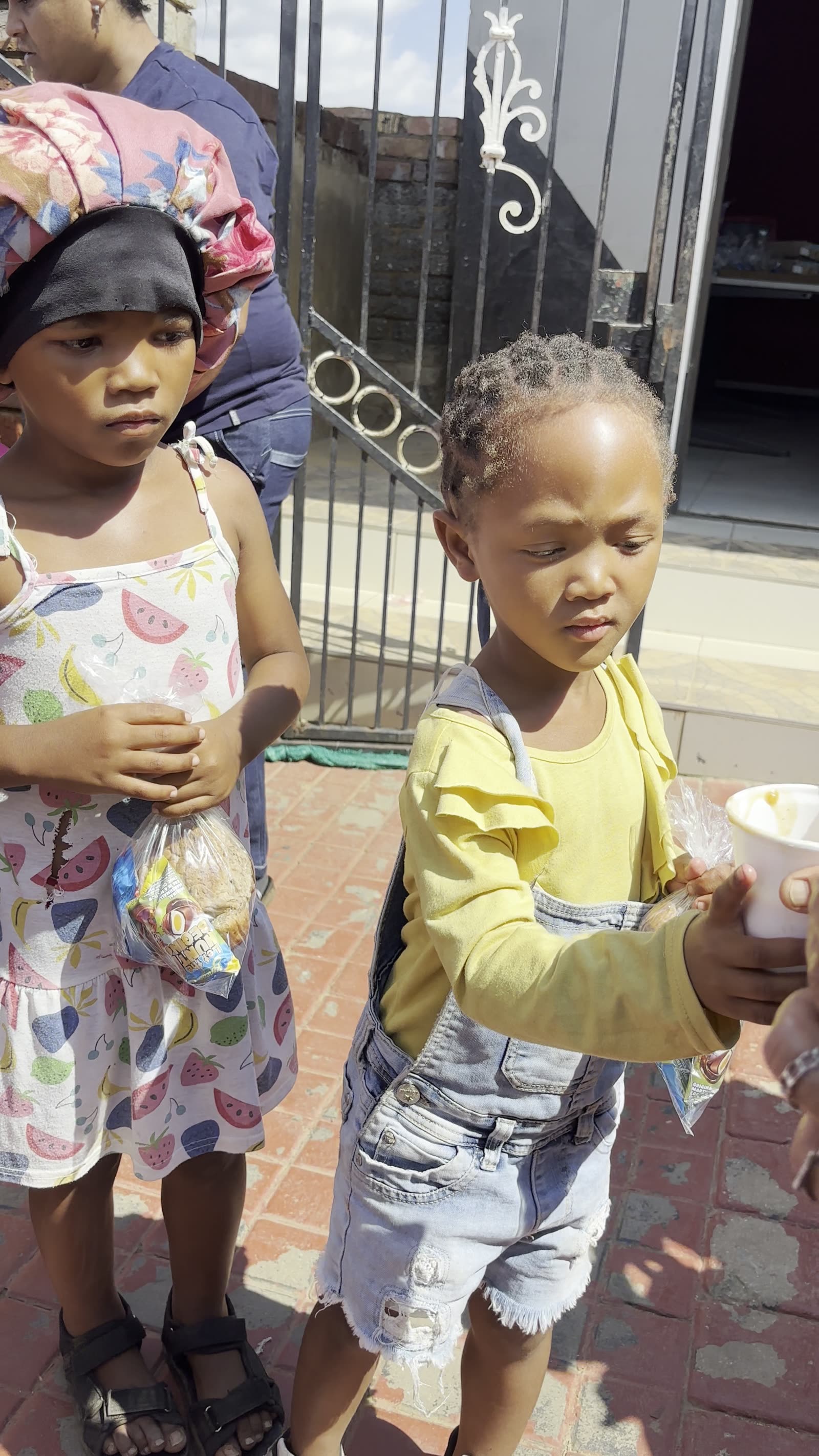
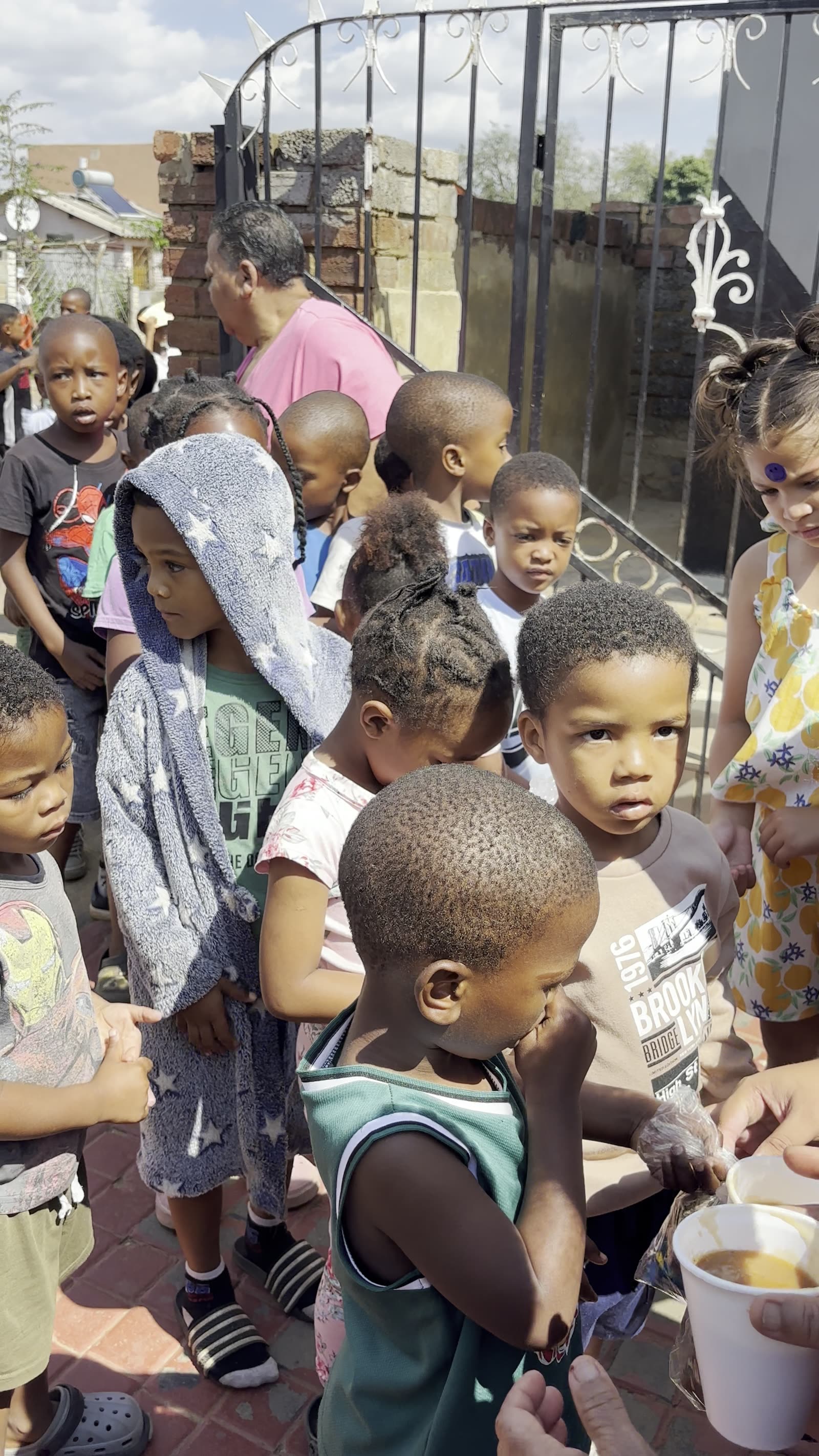
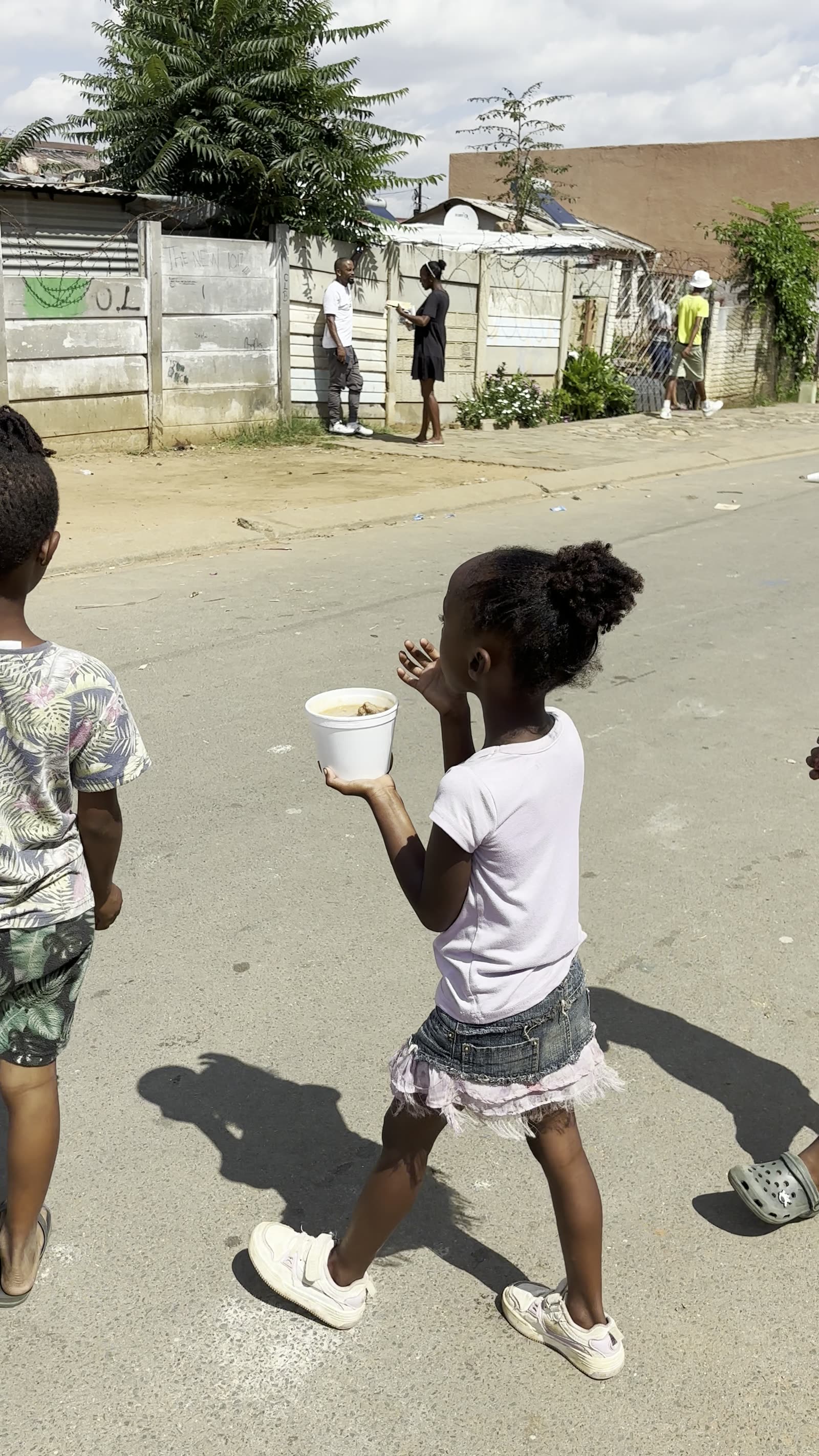
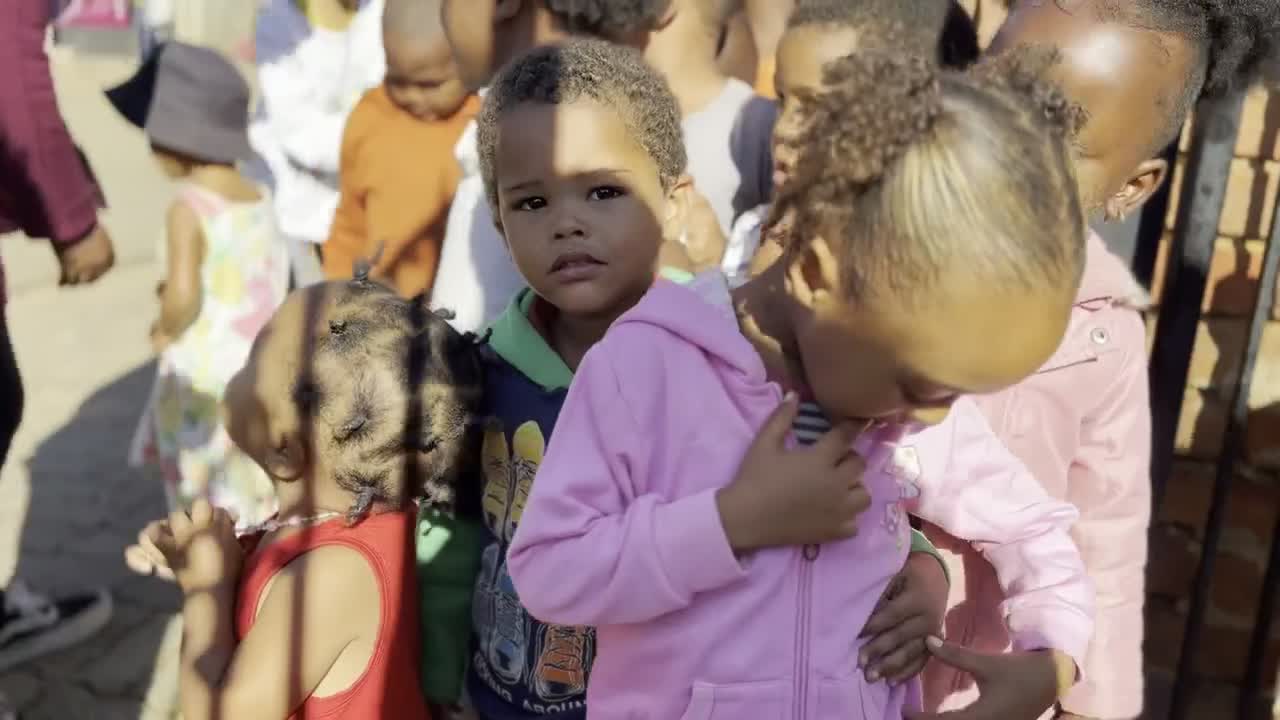
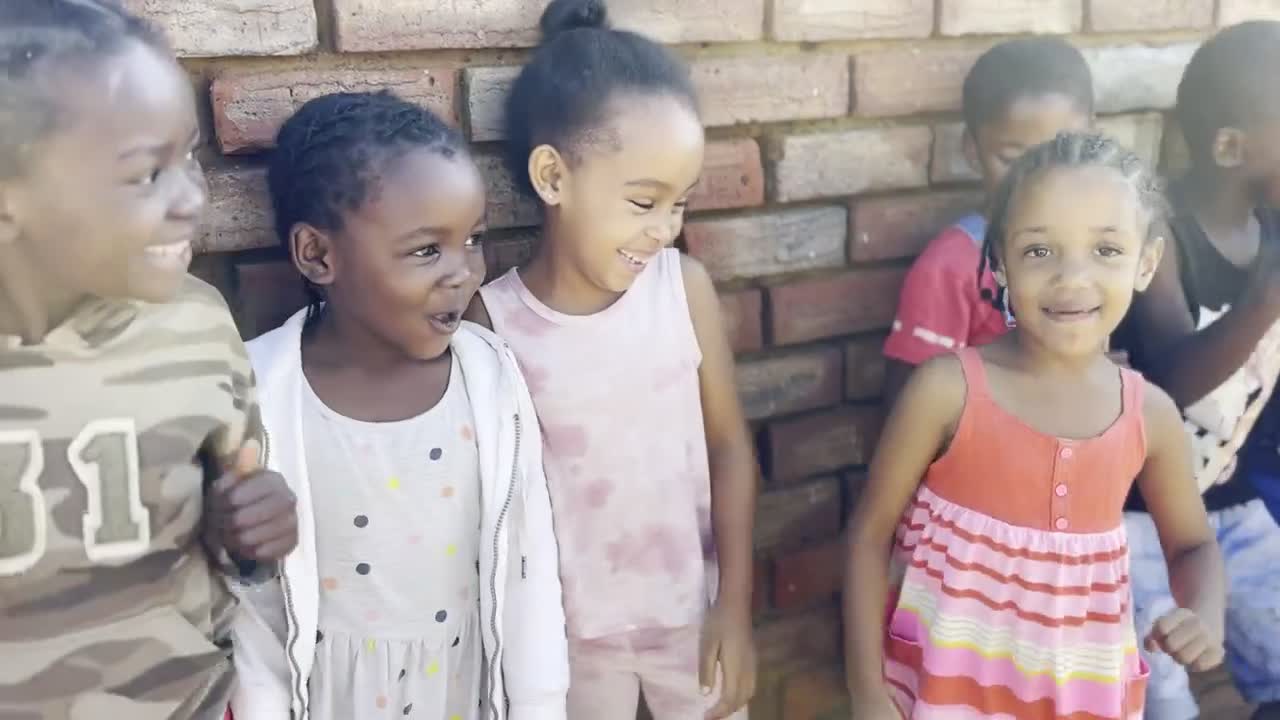
A weekly Johannesburg feeding scheme — 300 children and elderly neighbours sharing a hot meal every Tuesday since 2021. Made possible by the people who show up.
A community of likeminded people — neighbours, volunteers, donors and partners — meeting practical needs alongside children, elders and families, and building steady pathways through nourishment, partnership and patient presence.
Read more about the Tuesday feeding scheme and the community of Eldoradopark.
The need is real — and so is what gets done together.
The most vulnerable first — children and the elderly.
The Tuesday feed began in 2021, started with a local family in response to the wave of job losses during COVID. Many of those neighbours are still looking for steady work today, and the kitchen has kept going alongside them.
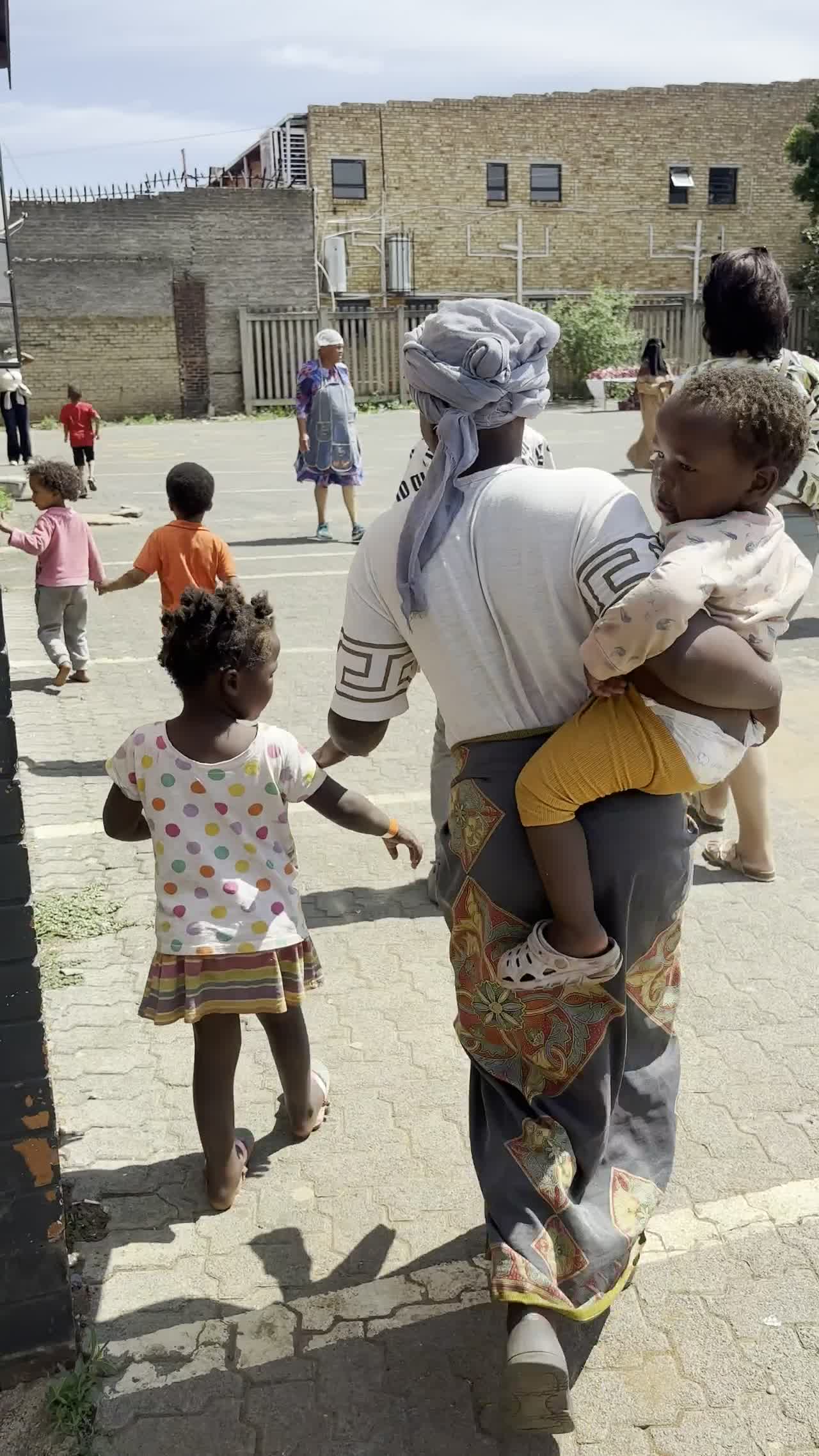
The focus is the people least able to fend for themselves: children who arrive at school hungry, and elders whose grants run out before the month does. They are met first — with a plate, with presence, with dignity.
A weekly feed is the starting point, not the destination. The longer vision is a community looking after its own — through skills, opportunity, local enterprise and stronger family support.
If you have ideas, skills or capacity that could shape what comes next, there's a place for you here. Start a conversation.
The context the work sits inside.
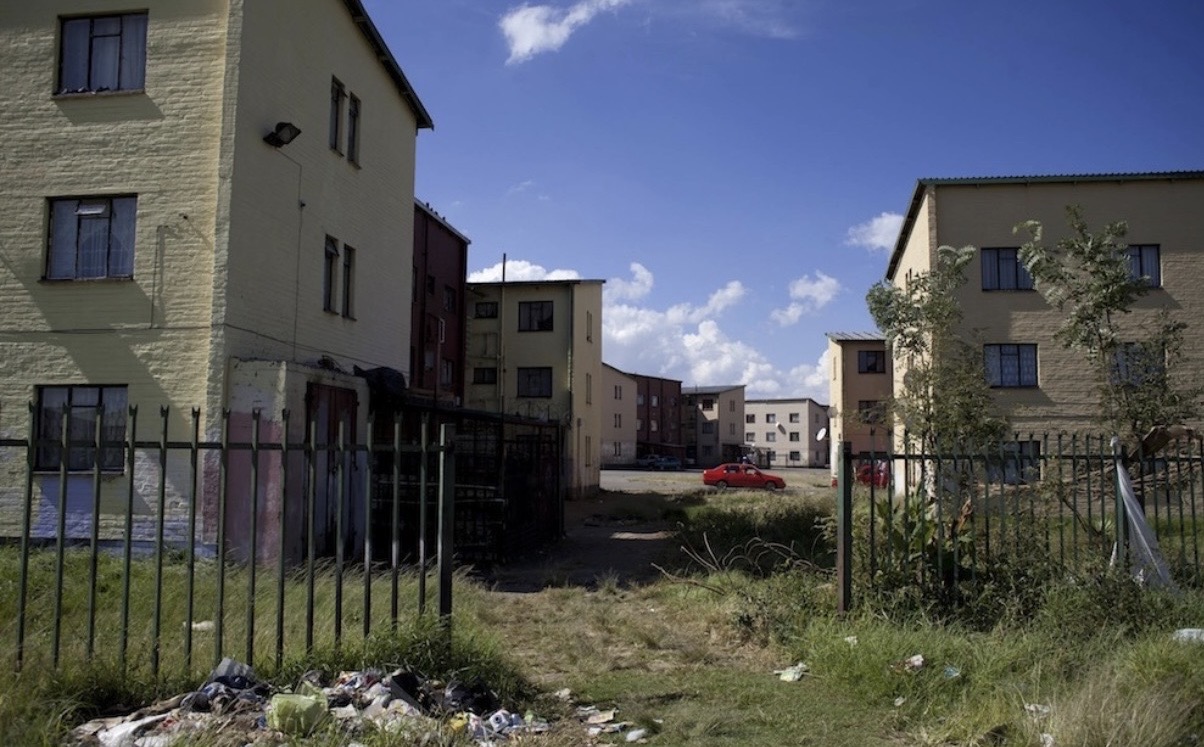
Eldoradopark sits in one of southern Johannesburg's most pressured corridors for poverty and unemployment. Behind every Tuesday plate is a child or a grandparent — and a small, steady act of care that, repeated weekly, adds up.
Sources: Stats SA and community needs assessments. Figures are indicative of the area served.
Where steady contributions change the trajectory.
Food, presence and follow-through don't stay on the plate. The areas below are where a regular, well-supported community programme can shift outcomes most — and where contributions of time, goods or funding go to work.
A reliable weekly meal helps children stay in class and concentrate, supporting attendance and learning outcomes.
A space where young people are known and welcomed gives them an alternative to street pressures, gang recruitment and isolation.
Eldoradopark carries a heavy drug burden. Consistent community presence and mentorship are protective factors that contributions help fund.
Pads, food security and trusted adults keep teenage girls in education and reduce exposure to early, transactional relationships.
When household needs are met, pressure on petty crime eases — neighbourhoods feel safer for everyone living and working there.
Regular meals, check-ins and companionship protect grandparents from isolation and ease the load on grant-stretched households.
Connection is one of the most evidence-backed protections against depression and loneliness — especially among the young and the very old.
Children who are fed, taught and believed in become parents who can pass that forward. Each contribution adds to that compounding effect.
Why feeding people and caring for elders works.
Research from the WHO, the World Food Programme, UNICEF and peer-reviewed studies points in the same direction: when neighbourhoods feed their children and look after their elderly, school attendance rises, mental health improves and households move forward sooner. Contributions to this kind of work compound.
School meals: a foundation for human capital
Children who receive a daily meal at school attend more often, learn more, and are far less likely to drop out — every $1 invested returns up to $9 in economic value.
Read source →Child Food Poverty — nutrition deprivation in early childhood
UNICEF's 2024 global report shows children deprived of nutritious food in early years suffer lifelong losses in growth, learning and earnings. Community feeding is among the highest-return interventions on record.
Read source →Decade of Healthy Ageing: connectedness saves lives
Social contact, regular meals and community check-ins measurably reduce depression, dementia risk and premature death among older people.
Read source →Social isolation, loneliness and mortality — meta-analysis of 90 cohort studies
A 2023 peer-reviewed meta-analysis links social isolation to a 32% higher risk of all-cause mortality. Community programmes that simply show up regularly help reverse the curve.
Read source →Social protection and food security
FAO's policy work shows that community-anchored social protection — including feeding schemes — reduces hunger, rebuilds trust and creates the social fabric that lets families climb out of poverty.
Read source →Hunger and vulnerability in South African households
Official national data on household food access, child hunger and elder dependency — the baseline against which community programmes like ours are measured.
Read source →Child hunger in South Africa — Children Count
The University of Cape Town's Children's Institute tracks the number of South African children living in households that report going hungry — essential local context for why Tuesday meals matter.
Read source →Care, made practical.
Every meal, blanket, box and pair of school shoes is one person's contribution arriving in someone else's hands. Small acts, repeated weekly, by people who chose to take part.
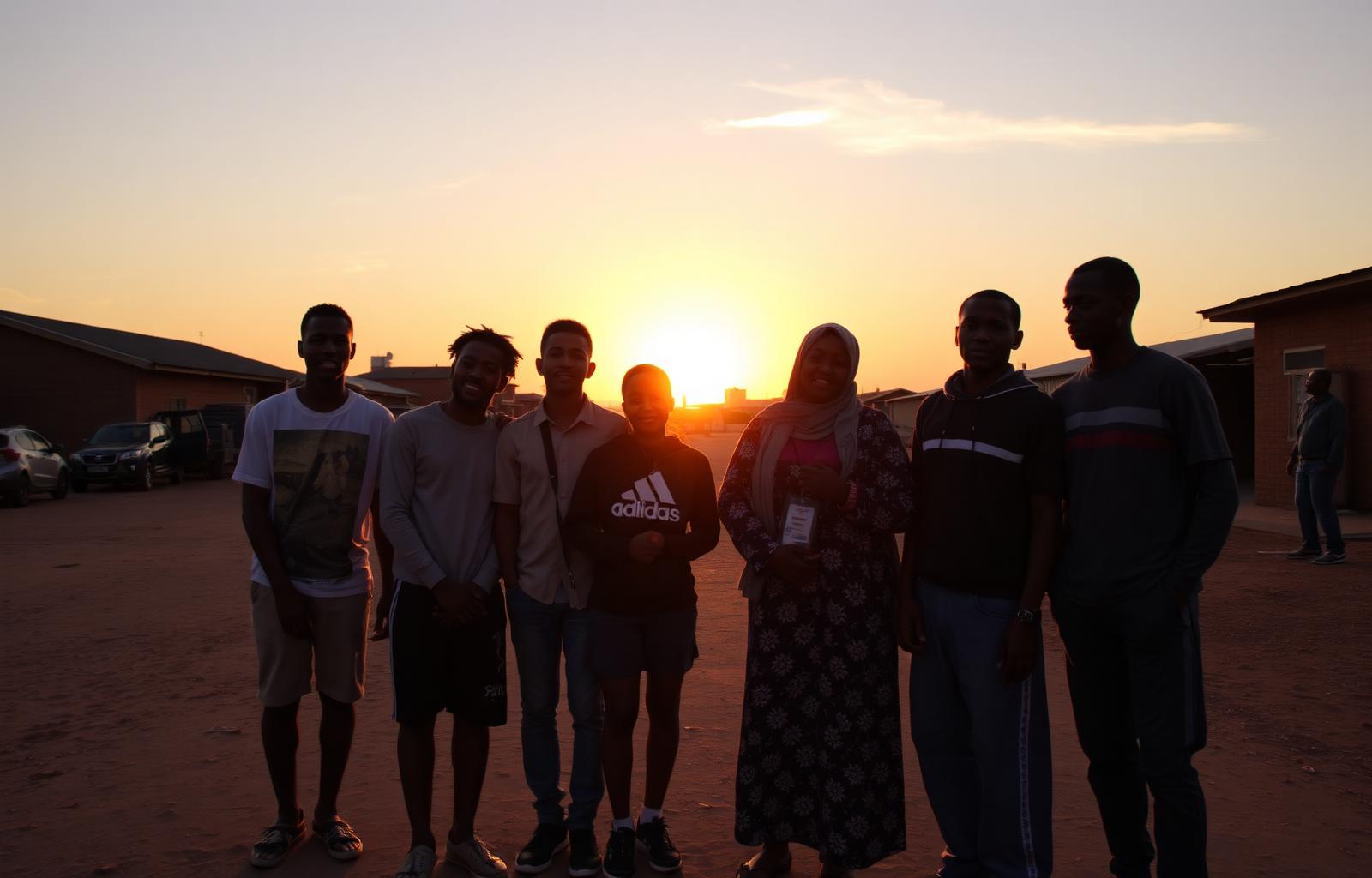
Showing up — together — is how a community heals.
300 children & elderly fed every week.
Rain or shine, a community kitchen in Eldoradopark shares a hot, nutritious meal with 300 children and elderly neighbours every Tuesday. Each contribution keeps the pots full and the doors open another week.
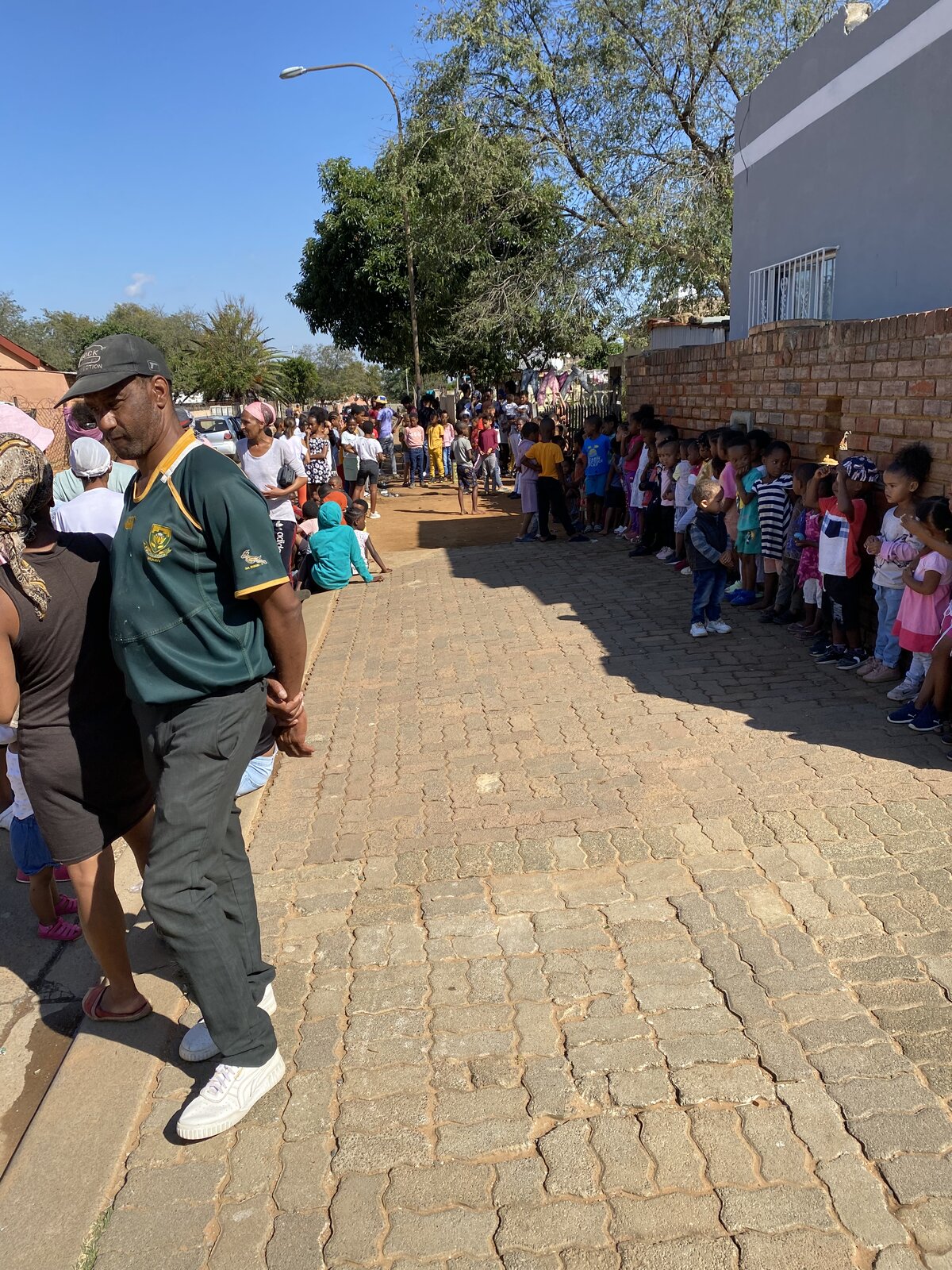
Each plate shared and each skill passed on moves a neighbourhood closer to one where everyone can flourish.
Moments from the work.